

Friday, December 14, 2018
Shop Your Way


Monday, August 13, 2018
From Pothead to Successful Business Owner
Brittney Gray is a California business owner. She relays in her characteristic forthright and undisguised manner how she started and is running her own beauty salon as a sole proprietor. Although she realizes this route is not for everyone, she tells us her reasons for starting her own business rather than working in a salon. Visit PetitPoix's Fashion School and Fashion Career Pages for more ideas about how to pursue a career in Fashion and Beauty.
Monday, December 18, 2017
Office Holiday Party - What to Wear?
Some of the items viewed in this video are available for sale in my closet at Poshmark https://poshmark.com/closet/petitpoix . Use invite code PETITPOIX when registering with Poshmark and you will receive a $5.00 credit. Otherwise you can try JCPenney, Sears and Ross. Subscribe and stay tuned for more videos about the ins and outs of working in an office. I have received no compensation from any of the brands or stores mentioned in this video.
Items shown in this video can be found at:
JCPenney
Brand: "Worthington" Black Lace and Gold Foil Dress. Size 16W, 18W, 24W and 30W are available in my Poshmark Closet. https://poshmark.com/closet/petitpoix
Also available in Tall, Petit and Plus Sizes at JCPenney.
Tall: https://www.jcpenney.com/p/worthington-sleeveless-ombre-shift-dress-tall/ppr5007263844?pTmplType=regular
Plus: https://www.jcpenney.com/p/worthington-sleeveless-pleated-dress-plus/ppr5007276616?pTmplType=regular
Regular Sizes: https://www.jcpenney.com/p/worthington-sleeveless-fit-flare-dress/ppr5007268611?pTmplType=regular
Other Suggestions from JCPenney if you can't find the above:
Black and Gold Foil Skirt: http://www.jcpenney.com/p/worthington-woven-pleated-skirt/ppr5007266765?pTmplType=regular
Pleated Soft Midi Skirt: http://www.jcpenney.com/p/worthington-woven-pleated-skirt/ppr5007266765?pTmplType=regular
Ross
"En Focus" brand dress from Ross. Ross does not sell online, visit the store near you. En Focus is my favorite brand from Ross and they sell in sizes ranging from 0 to SSBBW.
Items shown in this video can be found at:
JCPenney
Brand: "Worthington" Black Lace and Gold Foil Dress. Size 16W, 18W, 24W and 30W are available in my Poshmark Closet. https://poshmark.com/closet/petitpoix
Also available in Tall, Petit and Plus Sizes at JCPenney.
Tall: https://www.jcpenney.com/p/worthington-sleeveless-ombre-shift-dress-tall/ppr5007263844?pTmplType=regular
Plus: https://www.jcpenney.com/p/worthington-sleeveless-pleated-dress-plus/ppr5007276616?pTmplType=regular
Regular Sizes: https://www.jcpenney.com/p/worthington-sleeveless-fit-flare-dress/ppr5007268611?pTmplType=regular
Other Suggestions from JCPenney if you can't find the above:
Black and Gold Foil Skirt: http://www.jcpenney.com/p/worthington-woven-pleated-skirt/ppr5007266765?pTmplType=regular
Pleated Soft Midi Skirt: http://www.jcpenney.com/p/worthington-woven-pleated-skirt/ppr5007266765?pTmplType=regular
Ross
"En Focus" brand dress from Ross. Ross does not sell online, visit the store near you. En Focus is my favorite brand from Ross and they sell in sizes ranging from 0 to SSBBW.
Sunday, November 13, 2016
Ugly Rack Style
We've all seen ugly clothes before. Those unfortunate rejects that sit endlessly on the clearance rack. A fashion buyer's bet that didn't pay off and a harried retail manager trying to unload these useless rags onto any passing sucker at cost or less. The only salvation at this point before writing off the wholesale stock forever as a business loss might be a talented fashion stylist or merchandiser. If you think you have a knack for making undesirable garments appealing to consumers you may have what it takes for one of those careers. In the below video we introduce two Ugly Rack garments. Use your imagination and talent. How would you save them? Find some of the items in our video series in the PetitPoix closet on Poshmark. When you download the Poshmark app and sign in from your mobile device use code GHYCD for a $5.00 credit.Visit the Fashion Careers page on this website to learn more about different careers you might consider in the fashion industry.
Sunday, October 16, 2016
Sell, Buy and Trade Clothes on Poshmark
 |
| Enter Invite Code GHYCD for a $5.00 Credit |
"What if I throw in throw in a pair of zirconia stud earrings?"
These are the types of trades you may have made with your friends back in the day. Maybe you still deal in "closet stock" today. Whether you are selling your own designs, vintage clothes, clothing you don't use or looking for great deals and trades to add more pizazz to your closet, Poshmark is the place to go. Find your niche or create your own to buy, sell or trade clothing, accessories, shoes and makeup.
Poshmark is a venue. Each "shop" is run individually by each Poshmark member. Use all the same precautions as you would with any online business transaction. If you are going to use Poshmark to run your own clothing business remember to provide your customers with the best possible customer service. You will be reviewed after each sale so do your best to keep your excellent reputation as a top-rated seller. Attend the Poshmark online parties where attendees share their items with the group.
A US$5.00 credit is offered only when Poshmark sellers or shoppers sign up through the fast, quick downloadable Poshmark App available on Google Play and ITunes App Store. Enter the invite code petitpoix to receive the credit. Then invite your friends and you receive $5.00 cash or credit once that friend makes their first purchase on Poshmark using the mobile app as well. Find the Petitpoix closet on Poshmark by typing @PETITPOIX into the search once you sign up!
Monday, April 4, 2016
Spring is Here! Mingo & Grace "Sew Spring" Sewing Contest.
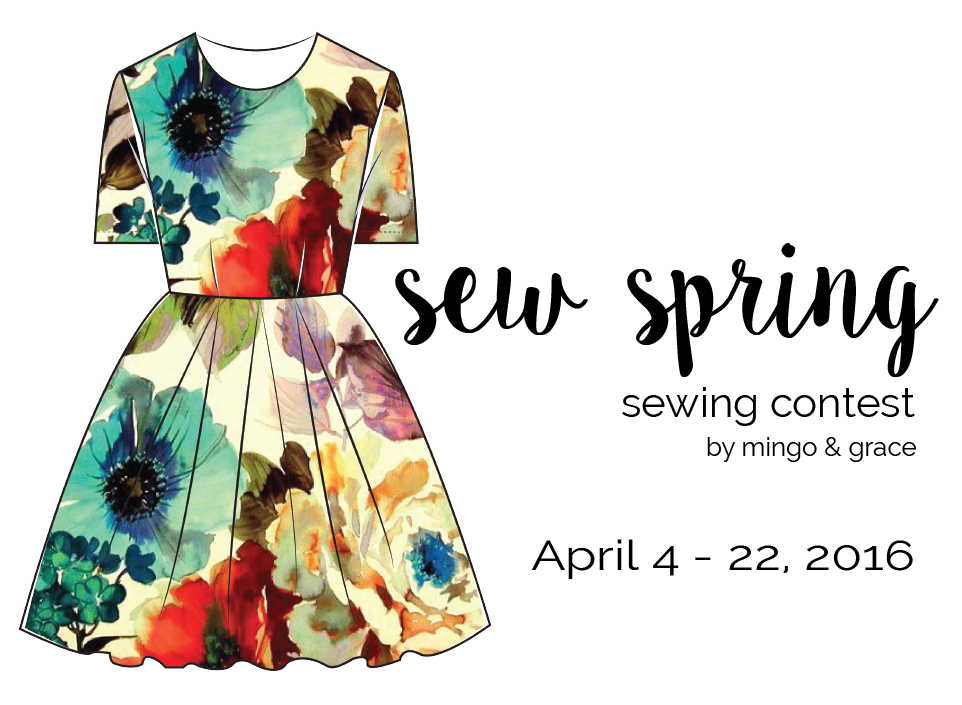 |
| The Mingo & Grace Sew Spring Contest has begun! |
Turn your love of design and sewing into a Visa Giftcard. There are three different categories for you to enter and first, second and third place prizes! You need simply download the Mingo & Grace MG2716 pattern and throw your passion and creativity into your design. If you don't already have one, you need to open an account on Instagram to post a photo or photos of your entry. Visit the Mingo & Grace blog for complete instructions on how to enter and for the contest rules.
PetitPoix has received no payment or compensation of any kind from Mingo & Grace.
Friday, March 11, 2016
Fashion Law
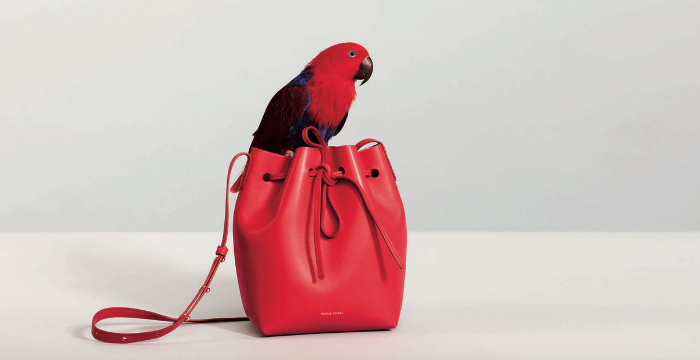 |
| Mansur Gavriel vs Copycats |
Does Kylie Jenner have the right to trademark the name "Kylie"? Not if Kylie Minogue has anything to say about it! Who is the "mystery investor" which has bought up a stake of nearly 5 percent in luxury fashion brand Burberry? What "copycat" fashion cases are currently making waves in courtrooms? Which famous brands are filing for bankruptcy? Which are merging? Which fashion model is suing Trump Model Management, the modeling agency owned by Republican presidential candidate Donald Trump? Answers to these questions and more can be found at The Fashion Law blog, founded by fashion law writer Julie Zerbo.
From the "about" section at http://www.thefashionlaw.com:
"The Fashion Law is the source of objective fashion law and business analysis, and serves as a community for lawyers, business executives, fashion industry insiders, designers, and students, alike. THE FASHION LAW was recently named one of the 50 Fashion Voices to Follow on Social Media by New York Magazine."
Sunday, December 13, 2015
Request is a First for a Black Model at Victoria's Secret Fashion Show 2015
 |
| Follow Maria on Twitter @IamMariaBorges |
When Angolan born fashion model, Maria Borges proposed that the show's producers let her wear her natural afro on the runway of this year's Victoria's Secret Fashion Show (VSFS) she was not sure how they would take her request. Miss Borges is the first black model ever to wear her natural hair on the Victoria's Secret runway. The show has been held every year since 1995.
 Viewers are enlivened when we first see Borges' eye-catching retro-modern look during the backstage hubub. She wears large hoop earrings, a tassle rope choker necklace and a beaded macrame fringe bolero shrug over white tiger print lingerie. She is utterly stunning; the all white garb striking against her smooth, glowing skin. At 5 feet 11 inches tall and wearing 6-inch platforms she must lean forward slightly for a makeup artist to apply lip color just before she makes her historical breakout onto the runway to a fast-beat version of the Temptations song, "Ball of Confusion."
 Viewers are enlivened when we first see Borges' eye-catching retro-modern look during the backstage hubub. She wears large hoop earrings, a tassle rope choker necklace and a beaded macrame fringe bolero shrug over white tiger print lingerie. She is utterly stunning; the all white garb striking against her smooth, glowing skin. At 5 feet 11 inches tall and wearing 6-inch platforms she must lean forward slightly for a makeup artist to apply lip color just before she makes her historical breakout onto the runway to a fast-beat version of the Temptations song, "Ball of Confusion."
 |
| Walk on Sister, walk on. |
In an interview for Essence Magazine she tells other black women who are considering going natural, “Be strong. If you say you’re beautiful without hair and
makeup, then they will believe you. It’s about being confident and
always being yourself.”
Maria Borges' home country of Angola is the seventh largest country in Africa and gained independence from Portugal in 1975. The main languages spoken in Angola are Portuguese and Bantu. VSFS is an event awaited each year by millions of people in 192 countries. The 2015 show aired December 8 on CBS and drew over 6.5 million viewers as well as millions more on the internet in the days that followed. Visit zaful.com for more Retro Modern Looks!
 |
| Shop the Victoria's Secret! |
 |
| "Fireworks" Display |
Carol's Daughter Beauty for Hair, Skin and Body-"Fulfilling the Beauty Needs of the Diversity of Skins that Make up the Tapestry of our World..."

Tuesday, December 1, 2015
Tutorial - Knit a Preemie Hat for the American Heart Association
 Donate to the Little Hats/Big
Hearts campaign for the American Heart Association. To knit or crochet a little red hat for babies in participating
hospitals click the link for more information. http://www.heart.org/HEARTORG/Affiliate/Little-Hats-Big-Hearts_UCM_470829_SubHomePage.jsp
Donate to the Little Hats/Big
Hearts campaign for the American Heart Association. To knit or crochet a little red hat for babies in participating
hospitals click the link for more information. http://www.heart.org/HEARTORG/Affiliate/Little-Hats-Big-Hearts_UCM_470829_SubHomePage.jspTuesday, September 15, 2015
Fashion and Gender
Moving limits on gender is another tool used by clothing designers to create compelling looks. From the 2015 Fashion and... Symposium Series which took place last May at the University of Minnesota "Genderism
is the belief that gender is a binary and that there should be only
two genders. This belief can reinforce negative attitudes and
discrimination towards people who display gender variance or those whose
gender identity is incongruent with their birth sex. There has been
long debate concerning fashion and gender and what it means not only to
appear and dress in a means that reflects expected gender ideals but
what it means to reject typically masculine or feminine ways of
appearing. Fashion is a device to break though gender boundaries, it
provides a canvas upon which to portray, establish, question, or
confirm gender identity. Fashion can be used to enable
establishment of one’s gender and support or refute genderism." The next Fashion and....Symposium takes place in April 2016.


Subscribe to:
Posts (Atom)